[EAI Working Paper] 2025 South Korea-Japan Partnership
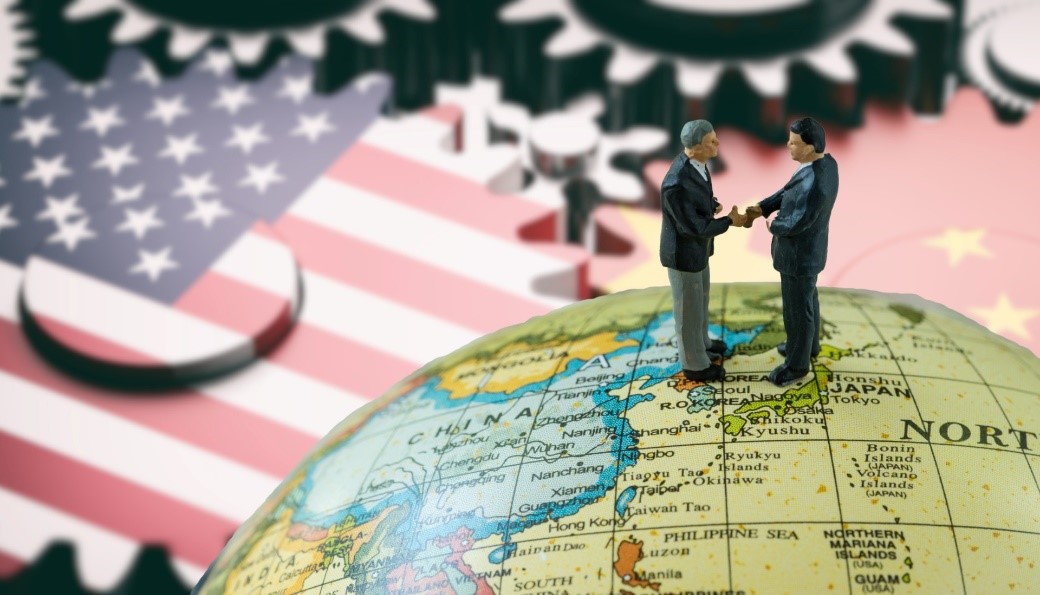
Since March 2024, the East Asia Institute (EAI) has collaborated with the Institute for Advanced Studies on Asia (IASA) at the University of Tokyo on a research project, examining the prospects for a new South Korea-Japan partnership amid the intensifying U.S.-China great power rivalry. Researchers from both countries analyzed the current state and future trajectory of U.S.-China strategic competition, assessing its impact on South Korea-Japan relations within the security-economic nexus. Furthermore, they proposed strategies to strengthen mutual security and economic cooperation, with the aim of fostering an inclusive and sustainable regional and international order.
Junghwan Lee, "ROK-Japan Economic Cooperation in the Era of the US-China Competition" [Read Working Paper]
Masaaki Yatsuzuka, "China`s Quest for Technology Dominance and Potential for Japan-South Korea Cooperation" [Read Working Paper]
Seungjoo Lee, "Geopolitical Risk, Strategic Complementarity, and Korea-Japan Cooperation" [Read Working Paper]
Madoka Fukuda, "Japan-U.S.-ROK Trilateral Cooperation and the Taiwan Strait Situation" [Read Working Paper]
Jae Jeok Park, "Security Cooperation between South Korea and Japan in the Indo-Pacific" [Read Working Paper]
Jiyoung Ko, "Cooperation between South Korea and Japan in the Changing Global Nuclear Order" [Read Working Paper]
Kayo Takuma, "The Possibilities and Challenges of Regional Health Cooperation in Asia" [Read Working Paper]
[EAI Conference] The Future of Korean Democracy and Institutional Reform: Crisis and Alternatives I & II
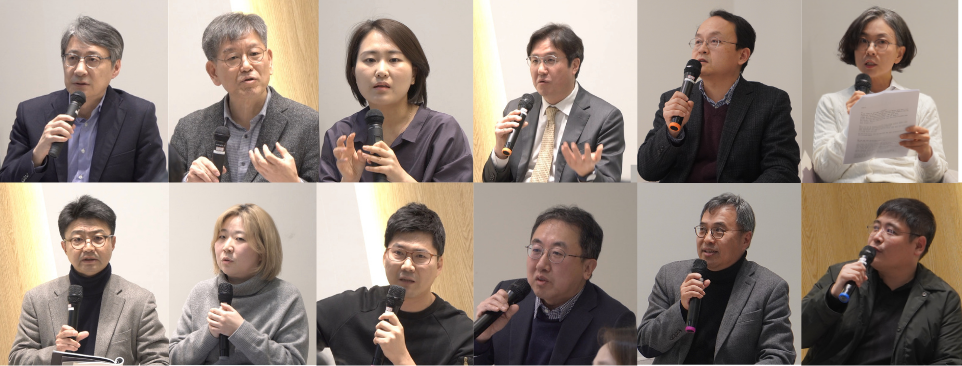
EAI hosted a two-part conference series, “The Future of Korean Democracy and Institutional Reform: Crisis and Alternatives I & II,” on February 11 and February 14. Bringing together distinguished scholars in political science and sociology, the conference examined the structural causes of Korea’s democratic challenges and explored potential reform measures. Part I, held on February 11, analyzed the root causes of political polarization and discussed various institutional reforms to address this issue. Part II, held on February 14, presented findings from EAI’s public opinion survey on political polarization, examining its patterns and impact based on key variables such as gender, age, and ideology. Discussions also explored institutional responses to mitigate polarization. The insights from these conferences will soon be published in an EAI public opinion briefing in English, providing further analysis and policy recommendations.