[EAI Issue Briefing] South Korea’s 2020 Legislative Elections
2020-05-08
Knowledge-Net for a Better World
May 2020
EAI Issue Briefing
South Korea’s 2020 Legislative Elections:
A Supermajority with a Narrow Mandate
Jung Kim
Assistant Professor at University of North Korean Studies
"What does it mean to have a supermajority governing party?"
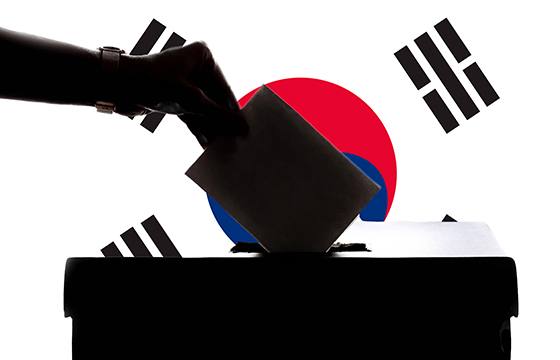
Despite the COVID-19 outbreak, South Korea successfully held its general election on April 15. The election received worldwide attention since it was held in midst of the global battle against the pandemic. As a result of the general election, the ruling party won by a landslide, creating a supermajority governing party with the ability to fast-track bills and withstands political obstacles. Professor Jung Kim of the University of North Korean Studies analyzes a number of public opinion polls to identify factors that have influenced the election outcomes. In doing so, Professor Kim contends that from the various factors, “the COVID-19 crisis has overtaken other traditional issues, such as income-led economic growth policy or inter-Korean reconciliation diplomacy.” In other words, the Moon administration’s relative success in handling the COVID-19 outbreak has aided his ruling party in winning the election. As such, he also suggests that the election result could have been different if it had been held two months earlier.